


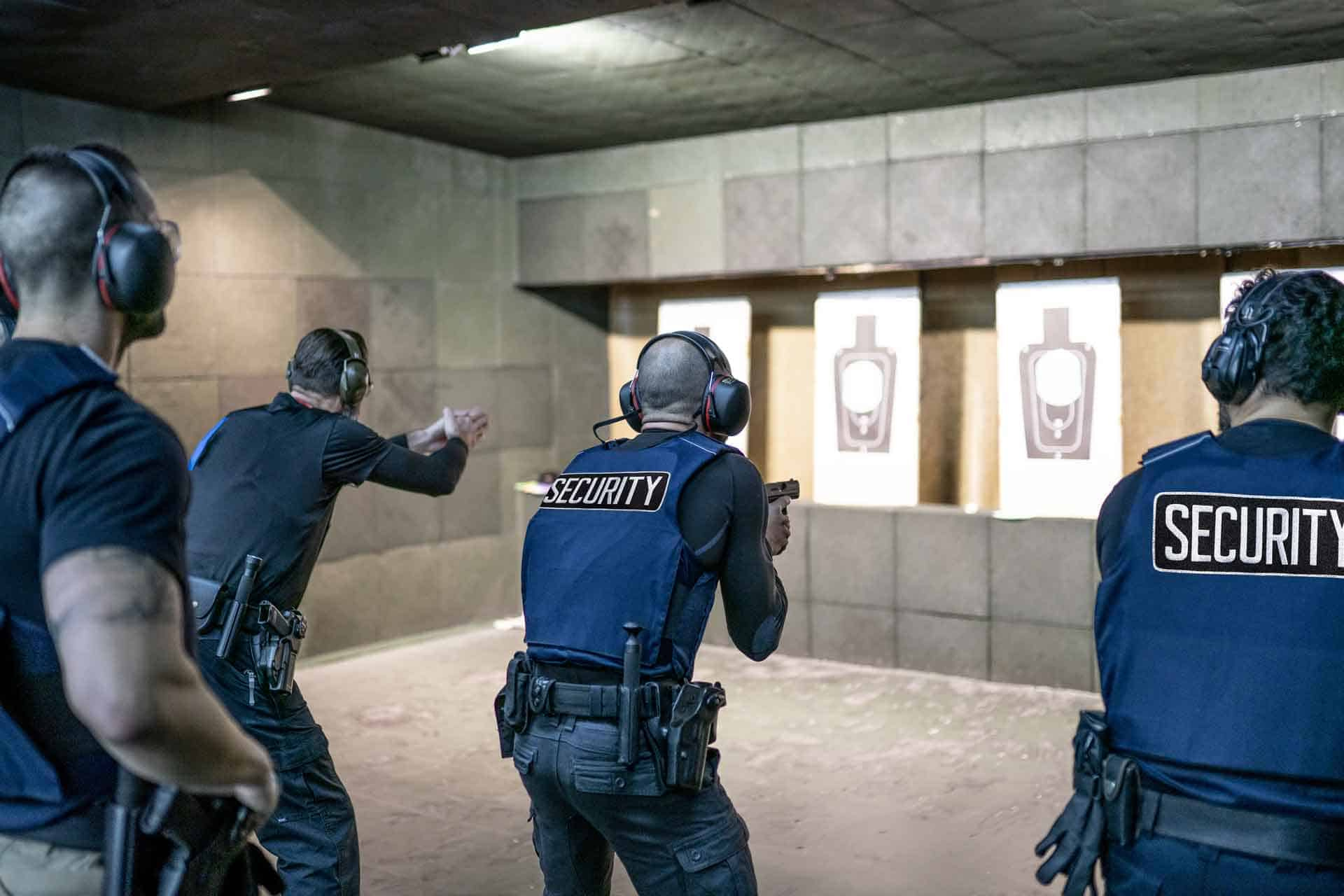
Modern security is no longer just the responsibility of law enforcement or professional guards—it’s a shared responsibility that extends to civilians as well. Whether in workplaces, schools, residential communities, or public spaces, civilians often find themselves on the front lines when unexpected incidents occur. Civilian security training equips individuals with the knowledge, skills, and confidence to respond effectively in emergencies, making it a crucial part of today’s comprehensive security strategies.
1. Empowering Communities Through Knowledge
The foundation of civilian security training lies in awareness and preparedness. Many incidents escalate simply because people are unsure of how to respond. Training programs teach civilians how to recognize potential threats, report suspicious activity, and follow safety protocols. This knowledge not only empowers individuals but also creates safer communities by increasing overall vigilance.
2. Rapid and Coordinated Response
In emergencies, every second matters. Civilians who receive security training learn how to act quickly and responsibly—whether it’s evacuating a building, providing basic first aid, or assisting in communication during a crisis. This rapid and coordinated response can reduce panic, prevent injuries, and support professional responders when they arrive on the scene.
3. Bridging the Gap Between Professionals and the Public
While security guards, police, and emergency services play a vital role in protection, they cannot be everywhere at once. Civilian training helps bridge this gap by preparing everyday people to take immediate, informed action when needed. This partnership between civilians and professionals enhances overall security and creates a stronger, more resilient safety network.
4. Building Confidence and Reducing Fear
Fear and uncertainty often make emergencies worse. Civilian security training builds confidence and calmness by teaching individuals how to handle different scenarios, from fire evacuations and medical incidents to suspicious activities and active threats. This confidence not only improves personal safety but also reassures others during high-stress situations.
5. Proactive Prevention, Not Just Reaction
Training is not only about responding to emergencies—it also emphasizes prevention. Civilians learn how to spot early warning signs, adopt safer habits, and implement risk-reducing measures in their daily lives. By focusing on prevention, civilian training helps stop problems before they start, making communities safer and more resilient in the long term.
6. A Modern Necessity in Today’s World
With rising concerns about workplace safety, school security, and public event protection, civilian security training has become a modern necessity. From businesses wanting to protect employees to schools preparing staff and students for emergencies, training ensures that everyone plays an active role in maintaining security.
Final Thoughts
In modern security, civilians are no longer passive bystanders—they are vital partners in safety. Through security training, everyday people gain the awareness, skills, and confidence to respond effectively in emergencies and help prevent incidents before they occur.
Civilian security training is not just about teaching response—it’s about creating empowered communities, reducing risks, and building a culture of safety that benefits everyone.